
About Membrane Structure
Driven by the global rise of environmental awareness and green building principles, modern architecture demands structures that minimize weight while maximizing safety and design freedom. Because traditional reinforced concrete and heavy steel systems struggle to meet these evolving requirements, innovative architectural materials have emerged.
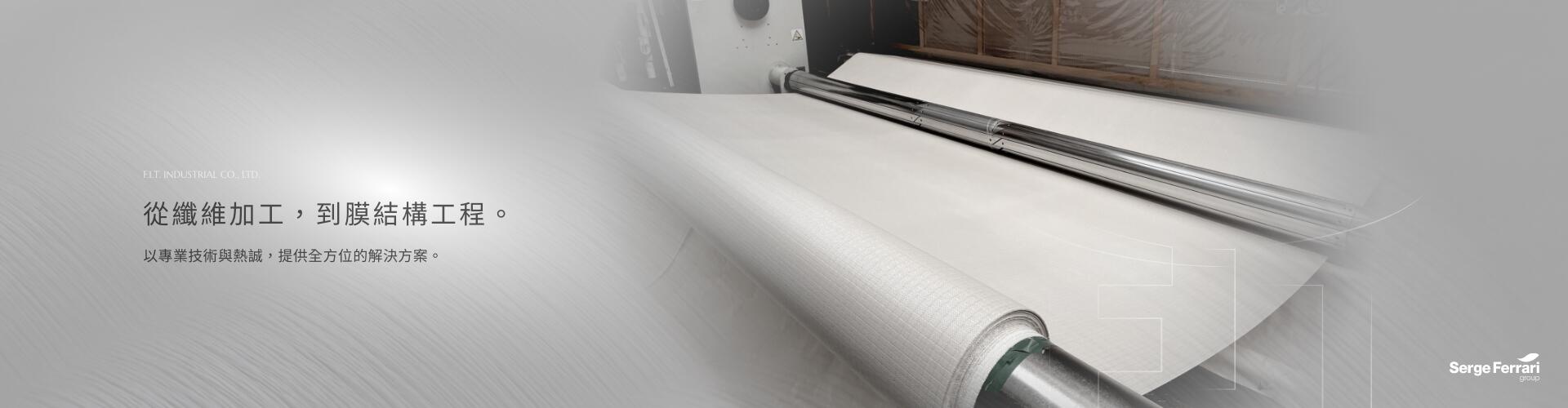
A architectural PTFE fiberglass membrane begins as a base fabric woven from high-tensile, low-elongation fiberglass plied yarns. Through a precise multi-stage production process, this fabric is repeatedly coated with a specially formulated PTFE dispersion fluid and sintered at high temperatures. This process creates a premium protective layer characterized by exceptional self-cleaning capabilities and superior chemical resistance, meeting rigorous architectural structural standards.
A membrane structure is an architectural space-frame system that utilizes high-strength, flexible structural fabrics as its primary covering material, supported by steel framing, cable networks, or anchoring tension systems. It delivers reliable shading, weather protection, natural daylighting, and striking architectural forms.
This modern construction method is widely implemented in landscape pavilions, transit stations, commercial mall atriums, educational campus facilities, and public infrastructure projects.
In practice, these terms are often used interchangeably. A tensile fabric structure generally emphasizes the architectural covering formed by thin membrane materials, whereas a membrane structure typically encompasses the complete engineering system—including the fabric, steel framing, cables, joints, tensioning mechanisms, drainage, and construction integration.
When choosing a membrane structure contractor, it is highly recommended to verify their capabilities in fabric selection, structural design, membrane processing, steel fabrication, on-site installation, and maintenance support. FIT integrates both membrane and steel engineering to effectively eliminate interface risks between different contractors.
The project timeline varies depending on construction scale, fabric material selection, steel framing complexity, fabrication processing times, site conditions, and installation methods. Small shading pavilions can typically be completed quickly, whereas large-scale public works, transit stations, or custom architectural membrane structures require a comprehensive, phased schedule.
Yes. Membrane structures are widely utilized for outdoor shading, weather protection, and public infrastructure projects. However, selecting the appropriate fabric material, steel anti-corrosion method, and anchoring system is crucial, taking into account local solar exposure, wind loads, rainfall, corrosive environments, and expected service life.